How QR Codes Are Transforming Loyalty Programs in 2026 and Beyond
If you've ever fumbled through your wallet looking for a punch card at your favorite coffee shop — only to realize you left it at home — you already understand the problem. Traditional loyalty programs are clunky, easy to forget, and hard to track. But a growing number of businesses are solving this by replacing physical cards and complex apps with something far simpler: QR codes.
QR code-based loyalty programs have surged in popularity over the past two years, and in 2026, the trend is accelerating. According to a 2024 report from Juniper Research, QR code transactions globally are expected to exceed 2.2 billion by 2025, with loyalty and rewards being one of the fastest-growing use cases. Small and mid-sized businesses, in particular, are embracing QR-driven loyalty because it eliminates the need for expensive custom apps while still delivering a seamless digital experience.
Why QR Codes Make Loyalty Programs Better
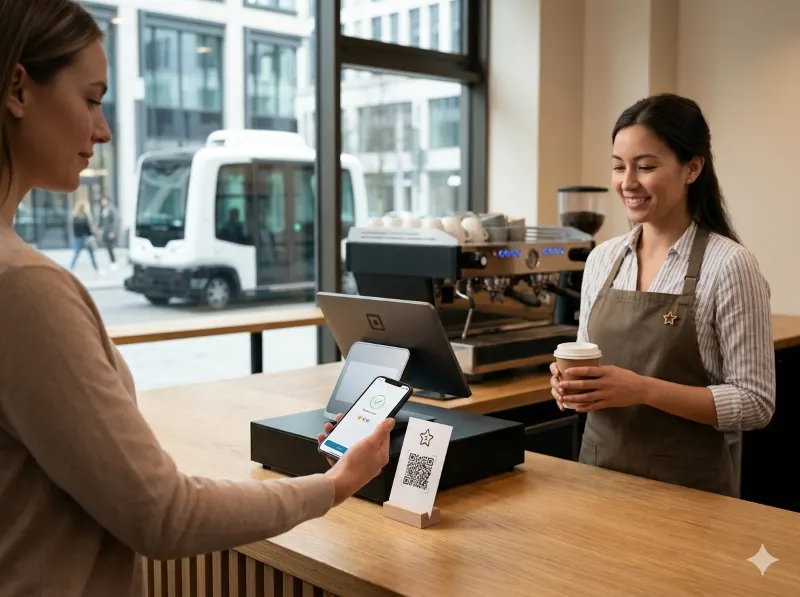
The beauty of a QR code loyalty program is its simplicity. A customer scans a code at the point of sale — displayed on a countertop sign, printed on a receipt, or shown on a digital screen — and their visit or purchase is instantly logged. No app download required. No plastic card to carry. No barista squinting at a crumpled paper card trying to figure out if that's six stamps or seven.
For the business, the benefits are even more compelling. QR-based loyalty systems can capture customer data like visit frequency, average spend, and preferred products. This kind of insight was previously only available to large enterprises with dedicated CRM platforms. Now, a neighborhood bakery or a local auto detailer can access the same intelligence — and use it to send targeted offers that actually drive repeat business.
The Shift Away from Dedicated Apps
One of the biggest shifts in loyalty program strategy is the move away from requiring customers to download a standalone app. A 2024 survey by Invesp found that the average American smartphone user has over 80 apps installed but regularly uses fewer than 10. Loyalty apps from individual businesses often get downloaded once, used twice, and then deleted — or worse, they never get downloaded at all. QR codes sidestep this problem entirely by linking customers to a mobile-friendly web experience that loads instantly in their browser.
This web-based approach, sometimes called a Progressive Web App (PWA) experience, means a customer can save their loyalty dashboard to their home screen if they want — but they don't have to. The QR code becomes the gateway, and the friction to participate drops to nearly zero. For businesses, this means higher enrollment rates and better program engagement without the ongoing cost of maintaining a native app in the App Store or Google Play.
Real-World Examples That Work
Restaurants and quick-service chains have been among the earliest adopters. Sweetgreen, for instance, has integrated QR codes across its in-store experience for ordering and rewards. But you don't need to be a national chain to take advantage. Independent gyms are placing QR codes at check-in desks to track visits and reward members with discounts after a certain number of classes. Hair salons are printing QR codes on appointment cards that link to a digital stamp system. Even B2B companies are using QR codes at trade shows to enroll prospects into partner reward programs on the spot.
The versatility is what makes QR codes so powerful in this context. A single QR code can be dynamic — meaning the destination URL can be updated without reprinting the code itself. This lets businesses rotate promotions, update point thresholds, or launch seasonal campaigns without any change to their physical signage.
How to Get Started Without Overcomplicating It
If you're a business owner thinking about launching a QR-based loyalty program, the good news is that you don't need to build anything from scratch. Platforms like QRSpike.com make it easy to generate dynamic QR codes that can be tied to specific campaigns, landing pages, or tracking URLs. You can create a QR code in minutes, print it on your materials, and start collecting scans immediately. As your program evolves, you can update where the code points — no reprinting necessary.
The key is to start simple. Pick one clear reward structure — say, "Scan on every visit, get your 10th coffee free" — and promote it consistently at the point of sale. Use the data from your scans to understand customer behavior, and then layer on more sophisticated offers over time. The businesses that win with loyalty programs are the ones that make participation effortless, and QR codes are the easiest on-ramp available today.
What's Next: QR Loyalty Meets Personalization
Looking ahead, the convergence of QR codes and AI-driven personalization is poised to take loyalty programs to another level. Imagine a customer scanning a QR code and receiving a reward offer that's dynamically generated based on their purchase history and preferences — all in real time. Early implementations of this are already emerging in retail, and as AI tools become more accessible to smaller businesses, personalized QR-based loyalty will become mainstream rather than a luxury reserved for enterprise brands.
QR codes have already proven they're more than a pandemic-era workaround. They're a foundational tool for modern customer engagement. If you're ready to ditch the punch cards and give your customers a loyalty experience that actually sticks, head over to QRSpike.com and start building your QR code strategy today. It's fast, it's affordable, and your customers will thank you for making their lives a little easier.